


Table of Contents
- Why Proper Maintenance Matters for Magnetic Wallcovering
- What You'll Need: Tools and Materials
- Daily Maintenance Routine for Magnetic Wallcovering
- How to Remove Permanent Marker from Magnetic Walls
- Magnetic Wallcovering Care Instructions: Weekly and Deep Cleaning
- Preventing Ghosting, Residue, and Long-Term Surface Degradation
- Restoring Surface Shine and Protecting Your Magnetic Walls
- Common Mistakes to Avoid
- Frequently Asked Questions
Last Updated: August 9, 2026
Why Proper Maintenance Matters for Magnetic Wallcovering
Magnetic wallcovering transforms walls into functional, interactive surfaces, but only when properly maintained. Unlike traditional paint or wallpaper, magnetic surfaces accumulate marks, residue, and dust that degrade both appearance and magnetic strength over time. The issue isn't fragility, it's that most people don't know the specific techniques needed to clean safely. Use the wrong cloth, apply the wrong cleaner, or scrub too hard, and you risk permanent damage. A structured maintenance routine prevents 90% of problems before they start.
This guide covers daily wipe-downs to deep cleaning protocols, handling stubborn marks, which products to use, and how to restore surface shine. Whether you're managing a corporate office, classroom, healthcare facility, or home space, these methods work across all applications.
What You'll Need: Tools and Materials
Gather the right supplies before cleaning. The wrong tools damage your magnetic wallcovering's protective coating; the right ones preserve the surface while removing marks completely.
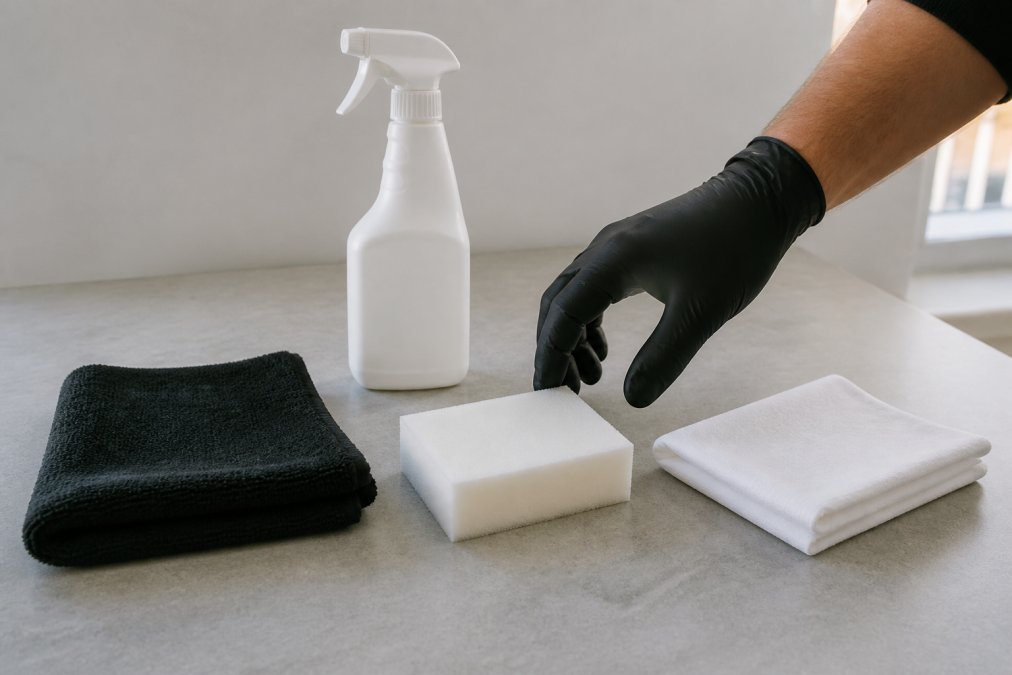
Recommended Cleaning Products for Magnetic Wallpaper
Microfibre cloths are non-negotiable. They trap dust and debris without scratching, unlike standard cotton cloths that leave lint behind. The MagScapes Write Cleaning Kit comes with a specialist microfibre cloth designed for magnetic surfaces, paired with a 250ml bottle of cleaner formulated to protect the whiteboard-style finish (£7.49).

Specialist whiteboard cleaner dissolves dry erase marker residue and ghosting without damaging the underlying coating. General-purpose cleaners often contain solvents that degrade the magnetic surface over time. Look for products explicitly labelled for dry erase or whiteboard surfaces.
Mild detergent solutions work for everyday dust and light marks. Mix a few drops of washing-up liquid with distilled water, never tap water, which leaves streaks and residue.
Distilled water is essential for final rinses. Tap water leaves mineral deposits that dull the surface shine. Keep a spray bottle nearby.
Tools to Avoid
Never use abrasive sponges, scouring pads, or rough cloths, these scratch the protective coating permanently. Paper towels shed fibres and scratch under pressure.
Avoid solvent-based cleaners, acetone, or alcohol-heavy products unless treating permanent marker stains. Don't use bleach, ammonia-based cleaners, or abrasive powders, these degrade the coating irreversibly.
Daily Maintenance Routine for Magnetic Wallcovering
A quick daily wipe-down prevents marks from setting and keeps your magnetic wallcovering looking fresh in two minutes.
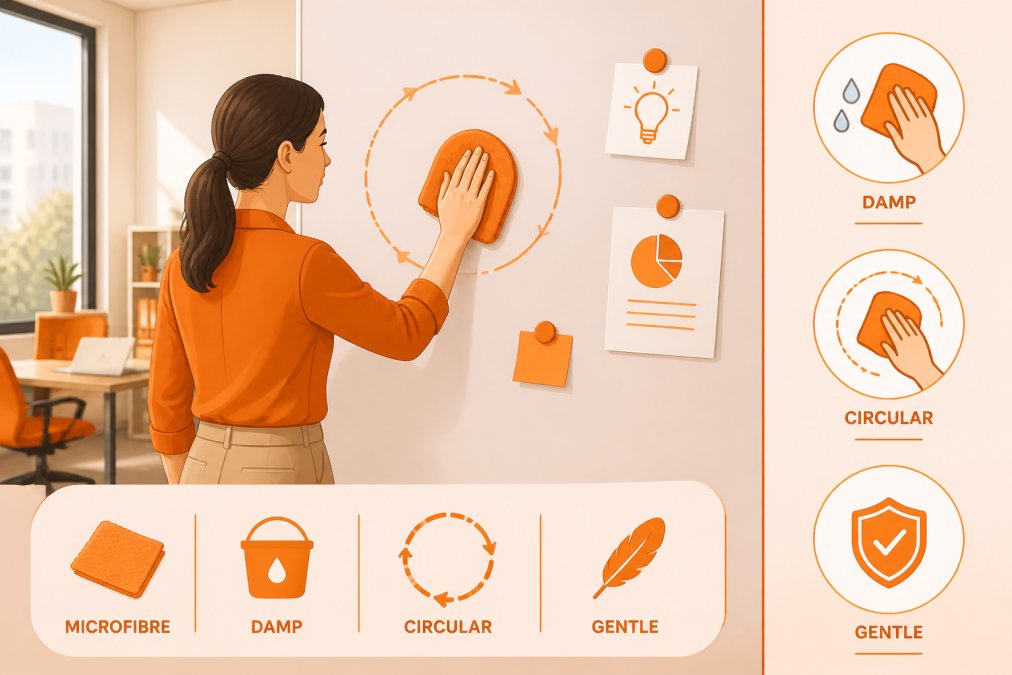
Step 1: Dry wipe with a microfibre cloth. Use light circular motions to remove dust, loose debris, and dry erase marker dust. Never scrub or apply pressure.
Step 2: Spot-clean visible marks. For marks that don't come off with dry wiping, dampen your microfibre cloth slightly with distilled water or mild detergent solution. Wipe gently until the mark disappears.
Step 3: Final dry pass. Go over the area with a dry microfibre cloth to remove moisture and prevent water spots.
Frequency: Daily in high-use environments like classrooms or busy offices. In lower-traffic areas, three times per week is sufficient. Consistent, small cleanings prevent stubborn marks and ghosting that require intensive restoration.
How to Remove Permanent Marker from Magnetic Walls
Permanent marker requires specific removal techniques to prevent surface damage. The mistake most people make is scrubbing hard with standard cleaner, which spreads the marker and damages the protective coating.
Step 1: Identify the marker type. If it's dry erase marker, standard whiteboard cleaner removes it instantly. If it's genuinely permanent marker, proceed to step 2.
Step 2: Test on an inconspicuous area first. Before treating visible marks, test your solvent on a small, hidden section. Wait 5 minutes to ensure no discolouration occurs.
Step 3: Apply rubbing alcohol. Dampen a microfibre cloth with rubbing alcohol (70% isopropyl alcohol) and press it against the mark for 30 seconds without rubbing. The alcohol dissolves the marker ink.
Step 4: Gently wipe. Use light circular motions to lift the dissolved marker. Do not scrub. Repeat rather than increasing pressure if the mark persists.
Step 5: Rinse thoroughly. Dampen a clean microfibre cloth with distilled water and wipe the treated area multiple times to remove all alcohol residue.
Step 6: Dry completely. Use a dry microfibre cloth to remove all moisture.
Removing Stubborn Marks and Stains
Ghosting (faint marks left by dry erase markers) responds to specialist whiteboard cleaner formulated for ghosting removal. Apply to a microfibre cloth, wipe the area, let sit 2-3 minutes, then wipe again with a dry cloth.
Ink stains from ballpoint pens respond to rubbing alcohol using the same technique as permanent marker removal.
Adhesive residue from tape or labels requires gentle treatment. Use specialist adhesive remover on a cloth, apply gently, and wipe clean. Follow immediately with a distilled water rinse.
Scuff marks from contact are often just surface dust. Dry microfibre wiping removes most. Persistent marks may be permanent surface damage rather than removable residue.
Magnetic Wallcovering Care Instructions: Weekly and Deep Cleaning
Daily maintenance handles routine marks, but deeper cleaning removes accumulated dust, mineral deposits, and residue that compromise appearance and magnetic strength.
Weekly Maintenance Schedule
Perform a full surface wipe-down using a damp microfibre cloth and mild detergent solution, working systematically from top to bottom. This removes dust that accumulates between deep cleanings. Mid-week, do a quick dry wipe for new marks. Time required: 10-15 minutes for a standard wall section (approximately 2 metres × 2 metres).
Deep Cleaning and Frequency
Deep cleaning removes mineral deposits, stubborn residue, and restores surface shine. Most installations need deep cleaning every 4-6 weeks in high-traffic areas, or every 8-12 weeks in normal-use environments.
Step 1: Clear the wall. Remove all magnets, accessories, and items from the surface.
Step 2: Dry wipe thoroughly. Use a dry microfibre cloth to remove all loose dust and debris.
Step 3: Prepare your cleaning solution. Mix a few drops of mild detergent with distilled water in a spray bottle. The solution should be barely visible.
Step 4: Wipe systematically. Dampen your microfibre cloth with the solution and wipe the entire wall using gentle circular motions, working top to bottom. Don't oversaturate the cloth.
Step 5: Address stubborn marks. Apply specialist whiteboard cleaner to specific areas while the wall is still damp.
Step 6: Rinse with distilled water. Use a fresh microfibre cloth dampened with distilled water to remove all soap residue. This step is crucial, soap left on the surface creates a dull film.
Step 7: Dry completely. Use a dry microfibre cloth to remove all moisture.
Step 8: Inspect and restore shine. Once dry, examine the surface. If dull, proceed to the restoration section below.
Time required: 20-30 minutes for a standard wall section.
Preventing Ghosting, Residue, and Long-Term Surface Degradation
Ghosting occurs when dry erase marker residue accumulates in microscopic surface imperfections. It's preventable through consistent maintenance and using high-quality dry erase markers, wiping marks promptly before they dry completely.
Mineral residue builds up from tap water over weeks. Always use distilled water for final rinses, this eliminates 70% of residue issues.
Chemical compatibility matters. Stick with products designed for whiteboard or dry erase surfaces. Experimenting with general-purpose cleaners risks permanent damage.
Magnetic strength degrades if the surface isn't properly maintained. Dust and residue create a barrier between magnets and the wallcovering. Regular cleaning ensures magnets grip securely throughout the wall's lifetime, particularly important in healthcare settings.
Environmental factors matter. High humidity or direct sunlight accelerates degradation. In humid environments, increase cleaning frequency to every 3-4 weeks. Use UV-protective window treatments in areas with significant sunlight exposure.
Avoid adhesive-backed items. Tape, stickers, and labels leave residue difficult to remove without risking surface damage. Use magnetic accessories instead.
Restoring Surface Shine and Protecting Your Magnetic Walls
Over time, even well-maintained surfaces can become dull from dust accumulation, mineral deposits, or minor surface wear.
Surface shine restoration begins with thorough deep cleaning. In many cases, removing all residue and mineral deposits restores the original finish completely. If dullness persists, the issue may be microscopic scratches or permanent surface damage that cannot be removed without professional refinishing.
Protecting your investment means establishing consistent maintenance habits. The MagScapes Write Cleaning Kit (£7.49) provides the specialist cleaner and microfibre cloth needed for proper care. Having the right tools readily available makes daily maintenance quick and effortless.
For high-traffic installations, consider applying a protective coating every 12 months to refresh the surface finish and provide additional protection. Consult the manufacturer's guidance for approved products.
Magnetic accessories require care too. Ensure all items are clean before placing them on the wall. Store accessories properly to prevent scratching, which reduces gripping strength.
Common Mistakes to Avoid
Using tap water for final rinses is the single most common mistake. Minerals accumulate invisibly over weeks, creating a dull film. Distilled water costs pennies and solves this entirely.
Scrubbing hard to remove marks spreads the mark and damages the protective coating. Gentle pressure with the right product works better than force. Let the cleaner sit for a minute to dissolve stubborn marks rather than increasing pressure.
Mixing different cleaning products can create chemical reactions that damage the surface. Stick with one system: mild detergent for daily cleaning, specialist whiteboard cleaner for stubborn marks, and rubbing alcohol only for permanent marker.
Ignoring early signs of degradation allows small problems to become major ones. If ghosting appears regularly, increase cleaning frequency immediately. If mineral deposits show, switch to distilled water for all rinses.
Allowing moisture to sit on the surface creates water spots and mineral deposits. Always complete a dry pass after any wet cleaning.
Using paper towels or standard cotton cloths leaves fibres that become embedded in marks. Microfibre cloths are worth the investment.
Placing magnetic accessories without cleaning them first transfers dust and dirt to the wall. A quick wipe prevents marks and residue accumulation.
Keeping your magnetic wallcovering in pristine condition requires consistency rather than complexity. Daily dry wiping, weekly damp cleaning, and deep cleaning every 4-6 weeks prevents 95% of problems. The MagScapes Write Cleaning Kit provides the specialist products and microfibre cloth needed for proper care, ensuring your magnetic walls remain functional and visually striking for years. Start with the daily routine this week, and you'll notice the difference immediately. Clean magnetic wallcovering maintains the interactive, collaborative surfaces that make your space work harder for everyone using it.
Frequently Asked Questions
What is the best way to clean magnetic wallcovering without damaging it?
Use a lint-free cloth or microfibre cloth slightly dampened with water or a specialist magnetic wallcovering cleaner. Wipe gently in circular motions, avoiding excessive pressure or abrasive scrubbing. For stubborn marks, apply the cleaner directly to the cloth rather than the wall surface. Always test any new cleaning product on a small, inconspicuous area first to ensure it does not affect the surface integrity or the magnetic strength of your wallcovering.
Can I use household cleaning sprays on magnetic wallpaper?
Most standard household sprays are not recommended for magnetic wallcovering. Many contain harsh solvents or abrasive ingredients that can damage the surface or leave residue. Stick to mild detergent solutions or products specifically designed for whiteboard and dry erase surfaces. Avoid bleach, ammonia-based cleaners, and strong solvent-based products, as these can degrade the protective coating and compromise the magnetic properties of your walls.
How often should I clean my magnetic wallcovering?
Daily light cleaning with a dry or barely dampened lint-free cloth removes dust and light marks. Weekly maintenance with a specialist cleaner addresses accumulated residue and pen marks. Deep cleaning should occur monthly or as needed, depending on usage intensity. In high-traffic environments like classrooms or busy offices, you may need to increase frequency. Regular maintenance prevents ghosting, staining, and long-term material degradation, keeping your surface in optimal condition.
How do I remove stubborn marker stains from magnetic walls?
For permanent marker or stubborn stains, dampen a microfibre cloth with a small amount of rubbing alcohol or the MagScapes Write Cleaning Kit (£7.49), which includes a specialist cleaner and microfibre cloth. Gently rub the affected area in circular motions. Avoid excessive pressure, which can damage the surface. For very stubborn marks, let the cleaner sit for 30 seconds before wiping. If the mark persists, repeat the process rather than using aggressive scrubbing, which risks compromising the protective coating and surface integrity.
This article was written using GrandRanker