


Table of Contents
- What Is Magnetic Wallcovering for Creative Studios?
- Benefits of Magnetic Wallcovering for Creative Workspaces
- Dry Erase Magnetic Wallcovering: Features and Applications
- Magnetic Paint vs. Wallpaper: Why Wallcovering Wins
- How to Install Magnetic Wallcovering: Step-by-Step Process
- Maintenance, Longevity, and Sustainability Considerations
- Magnetic Wallcovering for Rental Spaces and Office Renovations
- Comparing Magnetic Wallcovering Products and Alternatives
Last Updated: July 17, 2026
What Is Magnetic Wallcovering for Creative Studios?
Magnetic wallcovering transforms ordinary walls into interactive environments where ideas stick, literally and figuratively. Unlike traditional drywall or static wallpaper, it creates a ferrous-receptive surface that holds magnets, sketches, and project materials without permanent installation or damage.
The innovation lies in layered construction: a thin ferrous base layer embedded within premium wallcovering material, topped with a writable dry erase surface. This dual-functionality eliminates the need for separate magnetic paint or bulky whiteboard panels. For creative studios operating under tight deadlines, walls become active collaborators rather than passive boundaries.
Research from the American Institute of Graphic Arts on creative workspace design shows that teams working in interactive environments report 34% higher satisfaction with their collaborative processes.
How the Magnetic Base Layer Works
The magnetic base layer uses ferrous material integration, a thin layer of magnetic-receptive material bonded directly into the wallcovering substrate. This creates uniform magnetic receptivity across the entire surface without the inconsistency problems common to magnetic paint.
When you apply a magnet to the surface, the ferrous layer attracts and holds it securely. Typical weight capacity ranges from 1-5 pounds per standard magnet depending on product grade, allowing the surface to support design samples, fabric swatches, and printed concepts simultaneously.
The adhesive backing uses a repositionable, non-damaging formula. Installation requires no drilling, nailing, or permanent wall modification. For rental spaces or offices planning future renovations, you can install and remove without triggering deposit disputes or facility manager resistance.
2-in-1 Functionality: Magnetic + Dry Erase Surface
The dry erase component transforms the wall into a writable presentation surface. Teams sketch directly onto the surface using dry erase markers, creating an integrated workspace where writing and magnetic display coexist seamlessly.
For creative studios, this means you can write project timelines, sketch quick concepts, and pin finished samples all on the same wall. The dry erase coating is typically VOC-free, meeting environmental standards. Cleaning requires only water and a soft cloth.
The dual functionality also reduces physical footprint requirements. Studios operating in compact urban spaces avoid the clutter of separate whiteboards, magnetic boards, and pinning surfaces.
Benefits of Magnetic Wallcovering for Creative Workspaces
Magnetic wallcovering addresses three persistent friction points in creative environments: visual management chaos, collaboration bottlenecks, and workspace inflexibility.
Enhanced Collaboration and Visual Management
Teams working with magnetic wallcovering experience "ambient collaboration", the ability to see project progress, reference materials, and team feedback without scheduling meetings or opening shared files. This ambient awareness accelerates decision-making because context is always visible.
A design team can post mood boards, color palettes, and typography samples on the magnetic wall. Feedback happens organically as team members pass by, rather than waiting for formal critique sessions. According to research on visual management in design teams from the Journal of Design Research, teams using persistent visual displays make 28% faster design decisions compared to those relying on digital-only feedback loops.
The magnetic surface also handles physical artifacts that digital tools struggle with: fabric samples, printed mockups, material swatches, and hand-sketched iterations.
Workspace Innovation and Project Planning
Creative studios benefit from treating walls as project management tools. A magnetic wallcovering surface becomes a visual project timeline where phases, milestones, and deliverables hang as physical cards or printed materials.
Teams report that seeing a project's scope and timeline on a wall creates psychological commitment. The physical act of moving cards or updating sketches provides tactile feedback that digital updates lack. For studios managing multiple concurrent projects, this visual separation prevents context-switching fatigue.
Dry Erase Magnetic Wallcovering: Features and Applications
The dry erase layer transforms magnetic wallcovering from a display surface into an active workspace.
Interactive Walls for Brainstorming and Moodboards
Brainstorming sessions become more fluid when the thinking surface is also the display surface. Teams sketch concepts directly onto the magnetic wall, photograph the results, and then pin printed iterations beside the original sketches.
Moodboards created on magnetic wallcovering remain accessible throughout the project. Rather than assembling a board, photographing it, and storing it away, the board stays mounted and evolves as the project develops. Clients visiting the studio see active work in progress, which builds confidence in the creative process.
Customizable Design and Aesthetic Versatility
Magnetic wallcovering comes in a range of finishes and colors, allowing studios to maintain brand consistency or create distinct zones within open-plan spaces. Unlike industrial-looking magnetic paint or utilitarian whiteboard panels, premium magnetic wallcovering integrates seamlessly with interior design.
The surface accepts various aesthetic treatments: subtle textures, matte or satin finishes, and color options from neutral to bold. Magnetic frames, holders, and organizational systems attach to the surface, allowing teams to build personalized workspace configurations.
Magnetic Paint vs. Wallpaper: Why Wallcovering Wins
Many studios initially consider magnetic paint as a lower-cost alternative. Understanding the practical differences clarifies why wallcovering delivers superior performance.
Installation Speed and Surface Durability
Magnetic paint requires four to six coats, with each coat drying completely before applying the next, extending installation timelines to one to two weeks for a single wall. The surface remains prone to uneven magnetic strength.
Magnetic wallcovering installs in hours. The adhesive backing means application resembles standard wallpaper hanging, measure, cut, position, and smooth. No drying time between layers, no surface inconsistency.
Durability also favors wallcovering. Magnetic paint can chip, peel, or flake when magnets are removed repeatedly. Magnetic wallcovering's integrated ferrous layer remains stable through thousands of magnet applications. The dry erase coating resists staining and marker residue better than painted surfaces.
Load-Bearing Capacity and Technical Specifications
Magnetic wallcovering specifications clearly define load-bearing capacity, typically 1-5 pounds per magnet depending on size and product grade. This transparency allows studios to plan accordingly.
Magnetic paint's load capacity varies unpredictably based on application consistency and underlying surface conditions. Technical specifications for quality magnetic wallcovering also include VOC certifications, ensuring the product meets environmental standards.
How to Install Magnetic Wallcovering: Step-by-Step Process
Installation represents one of the primary advantages of magnetic wallcovering. The process requires no specialized tools, no drilling, and no facility disruption.
Preparation and Surface Requirements
Begin by assessing the wall surface. Magnetic wallcovering adheres to clean, dry, smooth surfaces. If the wall has existing paint, ensure it's in good condition. If the wall has wallpaper, remove it completely. Glossy surfaces require light sanding to improve adhesive grip.
Clean the wall thoroughly with a damp cloth to remove dust and residue. Allow the wall to dry completely, typically 24 hours. Unroll the wallcovering indoors 24 hours before installation to allow it to acclimate to room temperature and humidity.
DIY Installation Without Drills or Permanent Damage
The installation process follows these steps:
-
Apply adhesive to the wall. Use the adhesive provided with the wallcovering, applying it evenly across the wall section. A paint roller distributes adhesive uniformly.
-
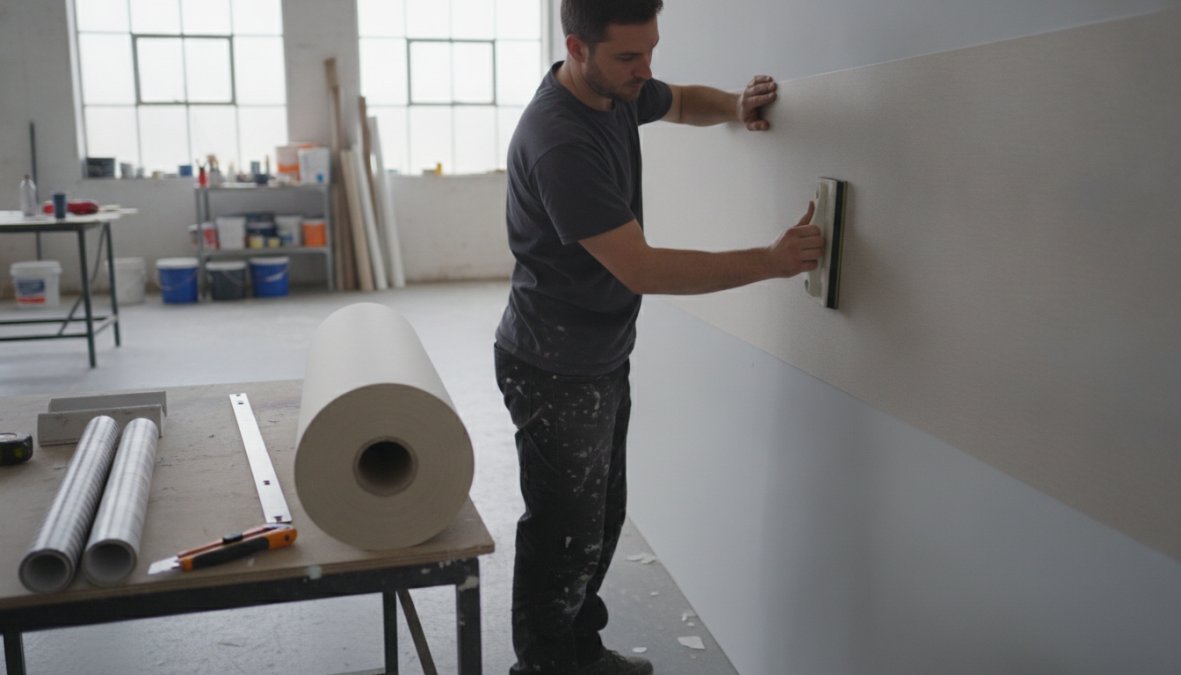
Position the wallcovering carefully. Starting at the top, align the wallcovering with your reference line. Press the top section into place, then gradually smooth downward, working out air bubbles.
-
Smooth and secure the surface. Use a smoothing tool or soft cloth to eliminate bubbles and wrinkles.
-
Trim excess material. Use a sharp utility knife to trim excess wallcovering at edges, corners, and around outlets.
-
Allow adhesive to cure. Most repositionable adhesives cure within 24-48 hours. Avoid placing magnets or writing on the surface until curing completes.
The entire process typically takes 2-4 hours for a standard wall. No specialized skills or tools are required.
Common Installation Mistakes to Avoid
Rushing adhesive application: Uneven adhesive leads to bubbles and weak spots. Take time to apply adhesive evenly.
Skipping wall preparation: Dust, dirt, and existing wallpaper prevent proper adhesion. The preparation step determines long-term durability.
Trimming too aggressively: Leave slightly more material at edges than you think necessary. Aggressive trimming can expose edges that curl or separate.
Applying magnets before curing: The adhesive needs time to set. Placing weight on the surface before curing compromises the bond.
Ignoring environmental conditions: Install in conditions between 50-85°F and 30-85% relative humidity for optimal results.
Maintenance, Longevity, and Sustainability Considerations
Magnetic wallcovering requires minimal maintenance compared to painted surfaces or traditional whiteboards.
Cleaning and Care for High-Traffic Creative Spaces
The dry erase surface accepts regular cleaning with water and a soft cloth. For stubborn marker residue, use a dry erase board cleaner or a mixture of water and rubbing alcohol. Avoid abrasive sponges or harsh chemicals.
The wallcovering's longevity depends on use intensity and care practices. In high-traffic studios with heavy daily use, expect the surface to maintain full functionality for 5-7 years. In moderate-use environments, 8-10 years is typical.
VOC-Free Materials and Environmental Standards
Premium magnetic wallcovering products meet VOC-free certifications, ensuring the material releases no harmful volatile organic compounds during or after installation. The wallcovering itself is typically made from recyclable materials, and the adhesive backing uses water-based formulas that minimize environmental impact.
Environmental certifications to look for include GreenGuard Gold (ensuring low chemical emissions) and FloorScore (certifying environmental responsibility).
Magnetic Wallcovering for Rental Spaces and Office Renovations
The repositionable nature of magnetic wallcovering makes it ideal for temporary installations, rental spaces, and offices planning future renovations.
Repositionable Installation and Moving Considerations
The non-damaging adhesive backing allows removal without leaving residue, marks, or damage to underlying walls. When you move offices or redesign spaces, the wallcovering can be carefully removed and potentially reinstalled elsewhere.
For rental spaces, tenants can implement magnetic wallcovering without landlord approval complications. The surface removes cleanly, returning walls to their original condition. When moving the wallcovering to a new location, allow the adhesive to cure fully before placing magnets or writing on the surface.
Comparing Magnetic Wallcovering Products and Alternatives
The magnetic wallcovering market includes various products with different specifications, price points, and feature sets.
| Product Type | Installation Time | Load Capacity | Dry Erase Surface | Best For |
|---|---|---|---|---|
| Magnetic Wallcovering | 2-4 hours | 1-5 lbs per magnet | Yes | Creative studios, rental spaces |
| Magnetic Paint | 1-2 weeks | 0.5-2 lbs per magnet | No | Budget-conscious teams, existing walls |
| Whiteboard Panels | 1-2 hours | 2-5 lbs per magnet | Yes | Temporary installations, modular spaces |
| Magnetic Film | 30 minutes | 0.5-1 lb per magnet | No | Smooth metal surfaces, locker doors |
Wallcovering vs. Competitors: What Sets Premium Options Apart
MagScapes magnetic wallcovering distinguishes itself through integrated dual functionality, magnetic receptivity and dry erase surface combined into a single installation. The ferrous base layer embedded within the wallcovering material ensures consistent, reliable magnetic hold across the entire surface.
The adhesive backing uses repositionable, non-damaging formulas that respect rental agreements and preserve wall conditions. Environmental certifications ensure workspace air quality and environmental responsibility. For studios evaluating alternatives, consider total cost of ownership rather than upfront price alone. Magnetic wallcovering's durability, quick installation, and lack of ongoing remediation costs often prove more economical than cheaper alternatives.
Creative studios operate in environments where walls should work as hard as the teams occupying them. MagScapes magnetic wallcovering transforms walls into high-performance interactive environments where ideas stick, projects stay visible, and teams collaborate more effectively. The integrated magnetic base layer and dry erase surface eliminate the friction of managing separate tools, while the repositionable installation respects rental agreements and future renovations. Get started with MagScapes and turn your studio walls into collaborative assets that accelerate creative work and strengthen team communication.
Frequently Asked Questions
What are the main benefits of magnetic wallcovering in a creative studio?
Magnetic wallcovering transforms static walls into interactive, collaborative surfaces that enhance visual management and project planning. In creative studios, it enables teams to display moodboards, sketches, and inspiration magnetically, supports brainstorming sessions with dry erase functionality, and allows repositionable organization of work. This creates a dynamic workspace that adapts to evolving creative projects without requiring permanent installation or drilling into walls.
How does dry erase magnetic wallcovering differ from magnetic paint?
Dry erase magnetic wallcovering offers superior installation speed, durability, and surface performance compared to magnetic paint. Paint requires multiple coats, extended drying time, and can fail to hold heavier magnets securely. Wallcovering provides a ferrous material base layer with an adhesive backing, enabling quick DIY installation without mess, better load-bearing capacity for magnetic accessories, and a smoother writing surface. It's also repositionable in rental spaces, whereas paint is permanent.
Can magnetic wallcovering be installed in rental studios without damaging walls?
Yes. Magnetic wallcovering is designed with adhesive backing that allows DIY installation without drills, nails, or permanent damage. When it's time to move, the material can be carefully removed without leaving residue or marks on rental walls. This makes it ideal for small design firms, freelance studios, or teams in temporary spaces who want collaborative workspace innovation without committing to permanent renovation or risking deposit losses.
How durable is magnetic wallcovering for busy creative environments?
High-quality magnetic wallcovering is engineered for surface durability in active studios. The top layer resists scuffing, staining, and repeated dry erase marker use, while the ferrous magnetic base maintains consistent holding strength for accessories and magnets over time. Maintenance is simple, regular cleaning with mild solutions keeps the surface fresh. VOC-free materials ensure longevity without off-gassing, and proper care extends the lifespan significantly in high-traffic creative spaces.
This article was written using GrandRanker