


Table of Contents
- Can You Paint Over Magnetic Wall Coverings?
- What You'll Need Before You Start
- Surface Preparation: The Critical First Step
- How to Apply Paint Over Magnetic Walls
- Best Paint for Magnetic Walls
- Testing and Maintaining Magnetic Wall Paint Strength
- How to Maintain Magnetic Wall Effectiveness Long-Term
- Common Mistakes to Avoid
Last Updated: August 21, 2026
Can You Paint Over Magnetic Wall Coverings?
Yes, you can paint over magnetic wall coverings, and doing so correctly is essential to maintain the magnetic receptivity that makes these surfaces valuable. The process isn't complicated, but it requires understanding the interaction between paint, ferrous particles in the wallcovering, and the magnets you'll eventually place on the finished surface. Get the application wrong, use the wrong primer, skip surface preparation, or apply paint too thickly, and you'll compromise the magnetic strength that attracted you to this solution in the first place.
At MagScapes, we've worked with facilities managers, educators, and designers across offices, schools, and hospitals who wanted to customise their magnetic walls with colour or finish. The question we hear most often is whether painting will ruin the magnetic properties. The answer depends entirely on how you approach it. This guide walks you through the complete process, from surface assessment through maintenance, so you can paint over magnetic walls with confidence and preserve their full functional potential.
What You'll Need Before You Start
Before you pick up a brush, gather the correct materials. Using the wrong adhesive, primer, or paint type is one of the most common reasons magnetic walls underperform after painting.
Essential materials:
- Fine-grit sandpaper (220-400 grit for light sanding)
- Primer suitable for ferrous surfaces (magnetic primer recommended)
- Quality topcoat paint (acrylic latex or specialist magnetic-compatible finish)
- Paint roller and tray (or brush for detailed work)
- Drop sheets or protective coverings
- Cloth or sponge for cleaning
- Measuring tape
- Masking tape for edges
Adhesives for installation (if replacing wallcovering): If you're installing new magnetic wallcovering before painting, MagScapes offers two specialist adhesives depending on your wall substrate. For absorbent surfaces like plaster or plasterboard, MagFix™ Wallcovering General Adhesive is a high-performance ready-mixed option at £22.00 per pot. For sealed or non-absorbent surfaces (vinyl over vinyl applications), MagVOV™ Wallcovering Adhesive is the appropriate choice at £33.00 per pot. Both are formulated to maintain the ferrous particle integrity that makes magnetic receptivity possible.

Surface Preparation: The Critical First Step
Surface preparation determines whether your painted magnetic wall will hold magnets securely or disappoint you within weeks. This step is where most DIY attempts fail.
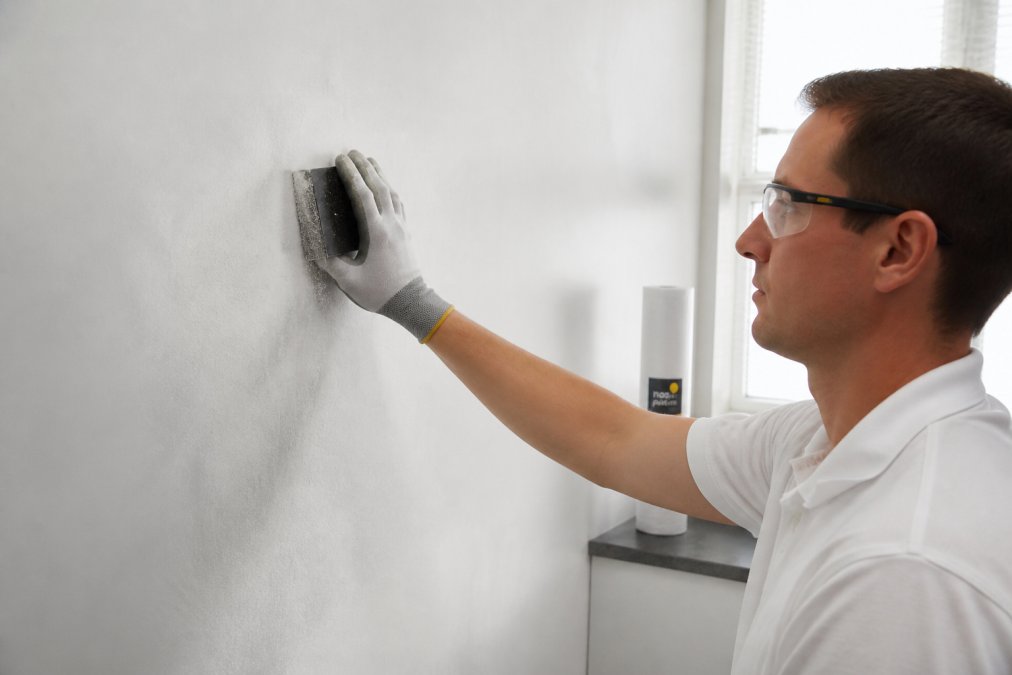
Start by inspecting the existing magnetic wallcovering for damage, loose edges, or areas where the ferrous particles may have been compromised. If the wallcovering is in good condition, light sanding with 220-400 grit sandpaper creates a surface that accepts primer and paint more evenly. Don't sand aggressively, you're not trying to remove the wallcovering, just roughen the surface slightly to improve adhesion.
Clean the sanded surface thoroughly with a damp cloth to remove all dust and debris. Any particles left behind will create texture inconsistencies that show through paint and interfere with magnet placement. Allow the wall to dry completely before proceeding. Many teams skip this step and wonder why their finished surface feels gritty or why magnets don't grip as firmly as expected.
Check that all seams are secure and properly adhered. If edges are lifting, press them down firmly or apply additional adhesive as needed. Once the wall is smooth, clean, and dry, you're ready for primer application.
How to Apply Paint Over Magnetic Walls
The application process requires patience and attention to detail. Thin, even coats work better than fewer thick coats, especially when painting over magnetic surfaces where thickness directly affects magnetic strength.
Primer Application
Primer is non-negotiable when painting over magnetic wallcovering. Use a primer specifically formulated for ferrous metals or a high-quality universal primer recommended for magnetic surfaces.
Apply primer in thin, even coats using a roller for large areas and a brush for edges and corners. One coat is usually sufficient if the wallcovering is in good condition and properly prepared. Allow primer to dry completely according to manufacturer instructions, typically 2-4 hours depending on humidity and ventilation.
The primer serves two purposes: it seals the ferrous particles so they don't interact unpredictably with topcoat paint, and it provides a uniform base that ensures consistent paint coverage and colour.
Topcoat Application
Once primer is dry, apply your topcoat paint in thin, even layers. Quality acrylic latex paint works well for most magnetic wall applications. Apply paint with a roller, using long, even strokes to maintain uniform thickness across the wall.
Avoid applying paint too thickly. Each coat should be thin enough that you can see the primer colour slightly through it. Two thin coats deliver better results than one thick coat. Allow each coat to dry fully before applying the next, typically 4-8 hours for latex paint, depending on temperature and humidity.
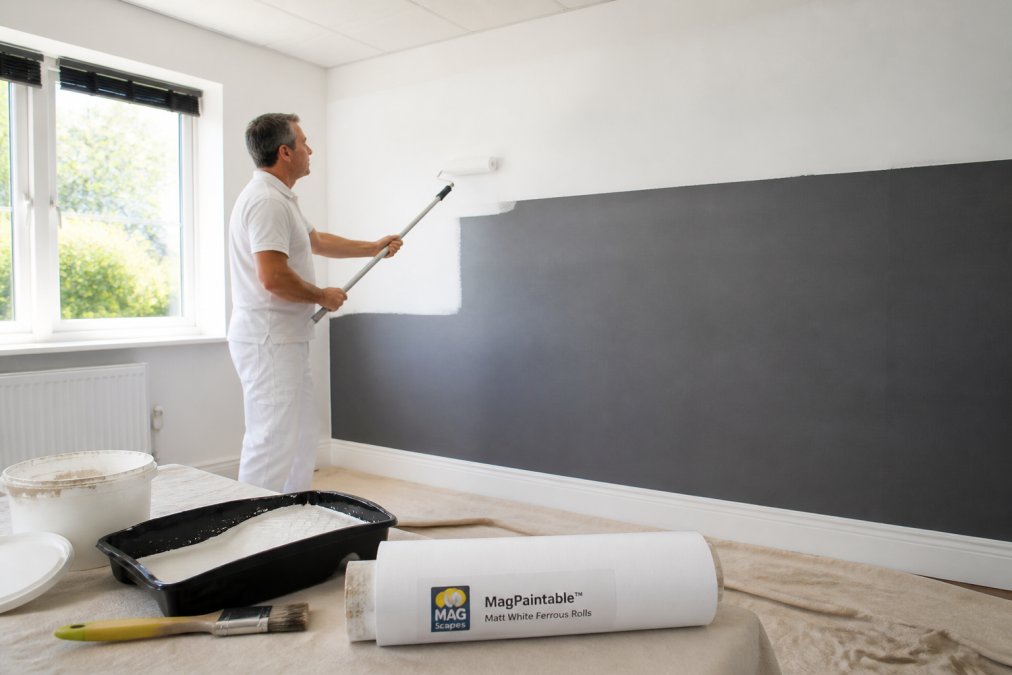
The goal is a smooth, even finish where the paint layer is thin enough to allow magnets to grip the ferrous particles beneath. If you apply paint too thickly, the magnetic strength will diminish noticeably, magnets may slide off or fail to hold items securely.
Best Paint for Magnetic Walls
Not all paints are equally suitable for magnetic walls. The best choice depends on your environment, desired finish, and how much magnetic strength you need to preserve.
Acrylic latex paint is the most common choice for magnetic walls. It's water-based, low-VOC, and applies evenly in thin coats. Quality acrylic latex paints from reputable manufacturers adhere well to ferrous surfaces and maintain flexibility as the wall expands and contracts with temperature changes.
Specialist magnetic-compatible paints are available from some manufacturers and are formulated to minimise interference with magnetic receptivity. These often cost more than standard latex paint but may be worth the investment if magnetic strength is critical to your application.
Avoid oil-based or enamel paints on magnetic walls. These tend to build up thicker, are harder to apply in thin coats, and can create a surface that interferes significantly with magnetic attraction. [EXTERNAL_LINK: For general guidance on preparing walls for painting | socaservicespainting.com].
Finish type matters. Matte finishes are easier to touch up and hide imperfections, but satin or eggshell finishes are more durable and easier to clean, important if your magnetic wall is in a high-traffic area like a classroom or healthcare facility. Gloss finishes are generally too thick and reduce magnetic strength too much.
For MagScapes installations where you're starting with a paintable magnetic wallcovering like MagPaintable™ Matt White Ferrous Rolls (£216.00), the product is designed specifically to accept paint while maintaining ferrous particle integrity. This removes much of the guesswork about paint compatibility.
Testing and Maintaining Magnetic Wall Paint Strength
After your paint has fully cured (typically 7-14 days for latex paint), test the magnetic strength before considering the project complete. This step reveals whether your application preserved the wall's functionality.
Use magnets of varying sizes and weights to test adhesion across different areas of the wall. Standard neodymium magnets or rare earth magnets work well for this. Magnets should grip firmly without sliding or falling. If magnets slip easily or won't hold lightweight items, you likely applied paint too thickly or used an incompatible primer.
Test multiple areas, top, middle, and bottom of the wall, because paint thickness can vary. If some areas hold magnets well and others don't, you've identified sections where you need to sand and repaint more carefully.
How to Maintain Magnetic Wall Effectiveness Long-Term
Painted magnetic walls require minimal maintenance, but a few simple practices keep them performing well for years.
Clean regularly with appropriate methods. Use a soft, damp cloth for routine cleaning. Avoid abrasive scrubbers or harsh chemicals that can damage the paint finish. For stubborn marks, a mild soap solution works well. Dry the wall after cleaning to prevent water spotting.
Avoid placing heavy or sharp objects directly against the wall. Magnets are strong, but sustained pressure from heavy items can damage the paint finish or compress the ferrous particles beneath. Use appropriate magnetic fixtures or holders designed for the weight you're supporting.
Inspect magnets periodically for dust or debris. Dust on magnet surfaces reduces grip strength. Wipe magnets clean regularly, this is often overlooked but makes a noticeable difference in how securely they hold.
Watch for paint damage or chipping. If paint chips or scratches expose the wallcovering beneath, touch up quickly with matching paint. Exposed ferrous particles can oxidise and lose magnetic receptivity over time.
Monitor magnetic strength over time. Every few months, test a few magnets to ensure they still grip as firmly as when the project was new. If you notice declining strength, it usually indicates that paint has begun to chip or that dust has accumulated on the ferrous surface.
Avoid extreme temperature swings. Painted magnetic walls perform best in stable environments. Rapid temperature changes can cause paint to expand and contract unevenly, potentially creating small cracks or reducing adhesion. This is particularly relevant in schools or healthcare facilities where HVAC systems may cycle aggressively.
Common Mistakes to Avoid
Learning from others' experience accelerates your success. These are the mistakes we see most often when teams paint over magnetic walls.
Applying paint too thickly. This is the most frequent error. A single thick coat or even two standard coats can reduce magnetic strength by 40-60% ([EXTERNAL_LINK: peer-reviewed research on paint thickness and magnetic field strength | pmc.ncbi.nlm.nih.gov]). Thin, multiple coats work far better. If you can see the primer colour faintly through your first topcoat, you're in the right range.
Skipping primer or using the wrong type. The paint may adhere initially but can peel or bubble over time. Magnetic primer or ferrous-compatible primer is essential.
Inadequate surface preparation. Dust, loose particles, and uneven surfaces create problems immediately. Paint won't adhere evenly, magnets won't grip consistently, and the finished wall will look unprofessional.
Not testing magnetic strength after painting. Many teams complete the project, hand over the space, and only discover magnetic performance problems weeks later when users complain. Testing immediately after curing prevents this and gives you the chance to correct issues while paint is still fresh.
Mixing paint types or primers. Using an oil-based primer under latex topcoat (or vice versa) creates adhesion problems. Stick with compatible products, typically all latex or all oil-based.
Painting over damaged or lifting wallcovering. If the ferrous wallcovering is damaged, loose, or already compromised, painting over it won't improve function. Address wallcovering issues first, then paint.
Ignoring environmental factors. Humidity, temperature, and ventilation affect how paint cures and how well it adheres to ferrous surfaces. Paint in moderate conditions (15-25°C, 40-60% humidity) when possible. Poor conditions lead to uneven curing and reduced adhesion.
Painting over magnetic walls is straightforward when you understand the relationship between paint thickness, primer selection, and magnetic strength. The process takes patience and attention to detail, but the result is a customised, durable surface that maintains full functionality for years.
Start with proper surface preparation, use ferrous-compatible primer, apply thin topcoats, and test magnetic strength before declaring the project complete. If you're installing new magnetic wallcovering before painting, MagScapes' ferrous rolls and specialist adhesives ensure you begin with a foundation designed to accept paint while preserving the magnetic receptivity that makes these walls valuable. The investment in doing this correctly pays dividends in performance and longevity.
Frequently Asked Questions
Can you paint over magnet-receptive wall coverings and maintain magnetic strength?
Yes, you can paint over magnetic wall coverings without significantly reducing magnetic strength, provided you follow proper preparation and application techniques. The key is using thin, even coats of quality emulsion paint and avoiding excessive layering. Most ferrous wallcoverings, such as MagPaintable™ Matt White Ferrous Rolls, are specifically designed to accept paint while retaining magnetic receptivity. Testing with a magnet after each coat helps ensure strength remains adequate for your intended use.
What type of paint is best for covering magnetic wall surfaces?
Emulsion paint (water-based latex) is the best choice for magnetic walls because it adheres well without adding excessive thickness and dries quickly, allowing you to test magnetic strength between coats. Avoid oil-based paints, which take longer to cure and can build up thick layers that reduce magnetic attraction. Matt or silk finishes work equally well; choose based on your aesthetic preference and durability needs. Always use a primer designed for your wall substrate before applying topcoat emulsion.
How many coats of paint can you safely apply over magnetic wall coverings?
Two coats of quality emulsion paint are typically sufficient and recommended. Each coat adds dry film thickness, and excessive layering, more than three coats, can noticeably diminish magnetic strength. After applying primer and one topcoat, test the magnetic attraction with a neodymium or rare earth magnet. If strength remains adequate for your needs (holding whiteboards, signage, or other items), stop there. A second topcoat can be added if needed for colour depth or durability, but avoid further layers.
What should I do if magnetic strength decreases after painting?
If you notice reduced magnetic attraction, the most likely cause is excessive paint thickness. You can improve strength by lightly sanding the painted surface with fine-grit sandpaper (220-grit or higher) to reduce the dry film thickness slightly, then testing again. Alternatively, consider using higher-strength magnets (neodymium or rare earth magnets) instead of standard ferrite magnets. If loss is severe, consult the manufacturer's guidance for your specific magnetic wallcovering product; MagScapes products are engineered to withstand standard painting protocols when applied correctly.
This article was written using GrandRanker