


Table of Contents
- What Is Magnet-Receptive Wallcovering
- Core Materials: Ferrous Particles and Substrates
- How Magnet-Receptive Wallcovering Works
- Magnetic Receptive vs Magnetic Sheets: Key Differences
- How to Install Magnetic Wallpaper
- Benefits of Magnetic Wall Systems for Offices
- Durability, Maintenance, and Environmental Considerations
- Conclusion
Last Updated: August 30, 2026
What Is Magnet-Receptive Wallcovering
Magnet-receptive wallcovering is a specialised wall surface containing ferrous particles that attract and hold magnets without requiring permanent installation or surface damage. Unlike traditional walls, magnet-receptive wallcovering transforms any surface into an interactive magnetic workspace. The material consists of a ferrous backing layer embedded with iron powder, covered by a protective finish that can be painted, printed, or laminated.
Modern magnet-receptive wallcovering delivers consistent magnetic attraction across its entire surface whilst maintaining aesthetic flexibility. At MagScapes, we've engineered our products to function beneath virtually any surface treatment, from vinyl wallpaper to fabric to digital prints, without compromising either magnetic performance or visual finish.
The real advantage is transformation without commitment. A corporate office converts a static wall into a collaborative planning surface. A classroom becomes an interactive learning tool. A hospital corridor turns into a visual communication hub. All without drilling, damaging plaster, or creating permanent structural changes.
Core Materials: Ferrous Particles and Substrates
Iron Powder and Ferrous Content
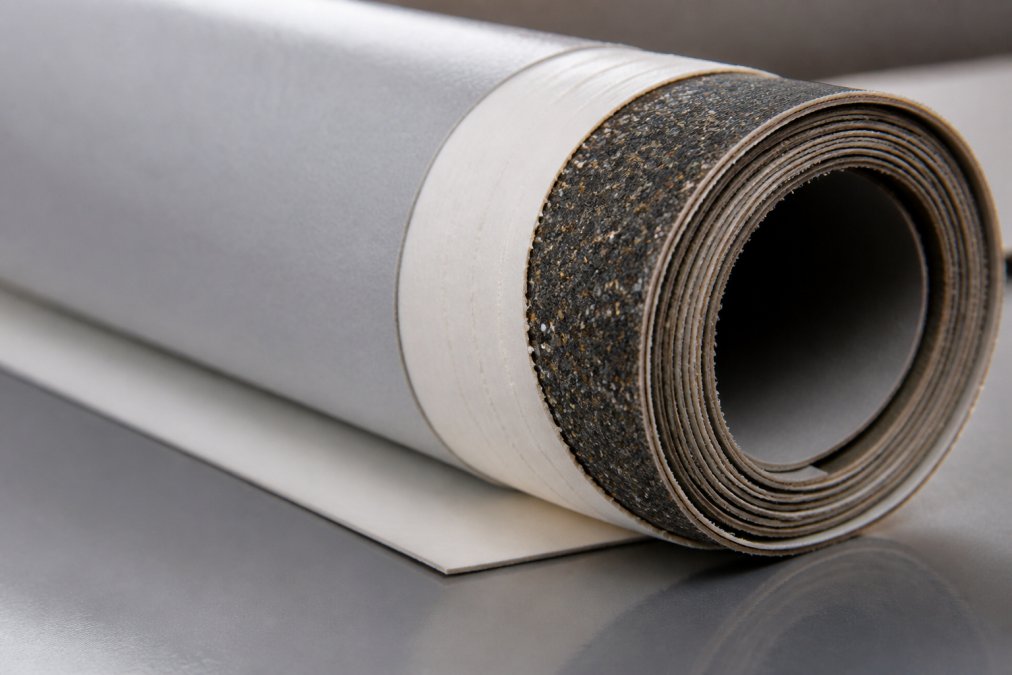
Magnetic performance depends entirely on ferrous particle concentration and composition. Iron powder, finely milled particles of elemental iron, forms the active magnetic component. These particles are dispersed throughout a rubber or vinyl binder, creating the ferrous layer. The density and particle size directly determine how much magnetic force the surface can sustain.
Different applications require different ferrous concentrations. A surface designed to hold heavy whiteboards needs higher iron powder density than one intended for lightweight magnetic accessories. MagScapes' MagLiner™ Matt Grey/Brown Ferrous Rolls achieve a 5/5 magnet receptivity rating, meaning they can support any standard magnet without performance loss, making them ideal for underlayment beneath wallpaper or fabric.

The ferrous layer remains non-magnetized until a magnet approaches. The iron particles respond to external magnetic fields by aligning and attracting. This distinction is critical: the wallcovering is receptive to magnetism, not magnetic in itself. This means it won't interfere with electronic equipment, Wi-Fi routers, or sensitive medical devices.
Vinyl and PET Substrate Layers
Beneath the ferrous layer lies the substrate, typically made from vinyl or polyethylene terephthalate (PET). The substrate provides structural integrity, enables adhesive backing, and determines how the product can be finished.
Vinyl substrates offer flexibility and durability, accepting paint, adhesive, and lamination well. PET substrates provide additional tensile strength and are preferred in high-traffic environments. Substrate thickness affects both durability and installation ease. Thicker substrates (0.5-1.0 mm) resist puncture but require careful handling (peer-reviewed research). Thinner options (0.2-0.4 mm) are easier to apply but may show wear faster.
Most magnet-receptive wallcovering comes with self-adhesive backing, allowing direct application to prepared walls without additional adhesives. The surface finish layer can be matte, gloss, or textured. MagWrite™ Gloss White Ferrous Rolls feature a high-gloss finish optimised for dry-erase marker use, with ferrous backing rated 4/5 for magnet receptivity. MagChalk™ Matt Black Ferrous Rolls provide a matte surface designed for chalk use, also at 4/5 receptivity.
How Magnet-Receptive Wallcovering Works
When you bring a magnet near the wallcovering surface, the magnetic field penetrates through any overlying finish layer and interacts with the ferrous particles in the backing. The iron particles align with the magnetic field, creating an attractive force that holds the magnet in place.
This works regardless of what covers the ferrous layer. Paint, vinyl wallpaper, fabric, or digital prints all allow magnetic fields to pass through without significant attenuation. The overlying material must be thin enough (typically under 2 mm) to allow sufficient magnetic field strength to reach the ferrous particles. You can apply wallpaper directly over MagLiner™ and magnets will still function perfectly.
The magnetic attraction is proportional to the magnet's strength, the ferrous particle density, the distance between magnet and surface, and the thickness of any intervening material. This is why magnet-receptive products are rated on a receptivity scale, ranging from 2/5 (sufficient for lightweight accessories) to 5/5 (suitable for demanding applications).
Modern wallcovering pre-manufactures the ferrous layer under controlled conditions, ensuring uniform particle distribution and consistent performance. This outperforms early "magnetic paint" products, which suffered from uneven particle settlement and inconsistent coverage.
Magnetic Receptive vs Magnetic Sheets: Key Differences
Magnetic sheets are self-contained products like vinyl-coated steel or rubber magnets. You apply them to walls using adhesive or mechanical fasteners, and they function immediately without additional finishing.
Magnet-receptive wallcovering is a substrate designed to accept overlying finishes. It requires paint, wallpaper, or lamination to achieve a polished appearance. This fundamental difference drives different use cases.
Magnetic sheets work well for temporary installations or rental spaces. However, they're visible as applied products; you see the seams and edges. For a seamless, integrated look, they're limiting.
Magnet-receptive wallcovering excels when you want magnetic functionality to disappear into the design. Apply it beneath your chosen finish, a corporate paint colour, branded wallpaper, or fabric covering, and the wall looks like any other professionally finished surface. For offices seeking collaborative walls that don't advertise themselves, for hospitals where visual consistency matters, wallcovering outperforms standalone sheets.
Magnet-receptive wallcovering also allows you to change the finish without replacing the ferrous layer. If your office rebrands, you paint over the existing wallcovering and the magnetic functionality remains intact.
The trade-off is installation complexity. Magnetic sheets stick to any reasonably clean surface. Magnet-receptive wallcovering requires proper wall preparation, careful application, and finishing work.
How to Install Magnetic Wallpaper
Surface Preparation and Wall Assessment
Installation success depends almost entirely on wall preparation. A poorly prepared surface leads to adhesion failures, wrinkles, and premature peeling. The wall must be clean, dry, smooth, and structurally sound.
Remove any existing wallpaper, paint flaking, or surface contamination. Clean the wall thoroughly with a damp cloth and mild detergent, then allow it to dry completely. For painted walls, light sanding with fine-grit sandpaper (220 grit or higher) improves adhesive contact. choosing steel grades.
Check for structural issues: cracks, holes, or uneven surfaces must be repaired before installation. Use lightweight joint compound to fill holes and smooth irregularities. Sand smooth once dry.
Moisture is critical. Use a moisture metre to verify that wall moisture content is below 12%. In kitchens, bathrooms, or damp environments, apply a vapour barrier primer before hanging wallcovering to prevent moisture migration that causes blistering and delamination.
Application and Adhesive Backing
Most magnet-receptive wallcovering comes with pressure-sensitive adhesive backing. Measure your wall carefully and cut the wallcovering to length, adding 50 mm at top and bottom for trimming. Work from top to bottom, peeling back the protective release liner as you go.
Begin at the top corner and press the wallcovering firmly into place, working downward and outward to eliminate air pockets and wrinkles. A squeegee or plastic smoothing tool helps. Trim excess at top and bottom with a sharp utility knife using a straightedge to guide a clean cut.
For seams, overlap slightly and cut through both layers with a sharp blade, then remove the waste. Press the edges firmly to ensure they bond completely.
Allow adhesive to set for 24 hours before applying paint, wallpaper, or other finishes. The adhesive continues to cure during this period, and premature finishing can compromise bond strength.
Benefits of Magnetic Wall Systems for Offices

Magnetic walls transform office dynamics in ways that static surfaces cannot. Visual communication becomes immediate and persistent. Instead of information locked in emails or documents, project plans, timelines, and task assignments live on the wall where everyone sees them constantly. This persistent visibility reduces the need for meetings to share status updates.
Flexibility is the second major advantage. Magnetic accessories, clips, frames, whiteboards, and shelving brackets can be repositioned instantly without tools or wall damage. A wall configured for brainstorming today becomes a project timeline display tomorrow. For companies that evolve rapidly or occupy flexible workspaces, this adaptability is invaluable.
Magnetic walls also support hybrid and remote work more effectively. When team members join meetings remotely, they can see the wall-based project information on video, keeping distributed teams aligned. For facilities managers, magnetic walls reduce pressure to provide dedicated desk space for every employee; collaborative walls become shared information infrastructure.
Interactive walls feel more energetic and intentional than blank surfaces. They signal that the space is designed for collaboration, not just occupancy.
Durability, Maintenance, and Environmental Considerations
Tensile Strength and Long-Term Performance
Magnet-receptive wallcovering must withstand constant physical contact, temperature variation, and environmental stress. Tensile strength determines how well it resists damage in high-traffic environments.
Quality wallcovering should maintain its integrity through years of daily use. Classroom walls experience constant contact from students and equipment. Hospital corridors see frequent cleaning and equipment movement. Office walls endure furniture relocation and magnetic accessory repositioning. Inferior products show visible wear within months; quality products remain intact for five years or longer.
The adhesive bond also matters for long-term durability. Adhesive failure, where the wallcovering begins to peel or bubble, is the primary cause of premature replacement. Proper surface preparation and 24-hour cure time significantly extend adhesive life.
Ferrous particle integrity affects performance longevity. Particles should not migrate, clump, or degrade over time. Factory-manufactured wallcovering outperforms magnetic paint: the ferrous layer is stable and uniform from manufacture.
Cleaning and Care Protocols
Maintenance requirements depend on the finish layer. Gloss finishes like MagWrite™ are designed for frequent cleaning with dry-erase markers and erasers. They can be wiped clean with water and mild detergent without damage. Matte finishes require gentler cleaning to avoid streaking.
For painted surfaces over wallcovering, use appropriate paint-safe cleaning methods. Avoid abrasive scouring pads or harsh chemical cleaners. A soft cloth with mild soap and water is sufficient for routine cleaning.
In healthcare settings where infection control is critical, verify that your chosen wallcovering is compatible with hospital-approved disinfectants before installation (the CDC).
Magnetic accessories require minimal maintenance. Wipe metal frames and clips occasionally to prevent dust accumulation. The ferrous backing never requires maintenance; it doesn't degrade or lose strength over time if the surface finish remains intact.
Environmental Impact and Recyclability
Most modern products use PVC or PET substrates, which are recyclable but not biodegradable. The ferrous particles themselves, iron powder, are non-toxic and recyclable.
Manufacturing impact is modest compared to alternatives. Producing wallcovering requires less energy and generates less waste than manufacturing and installing traditional magnetic sheets or magnetic paint.
When wallcovering reaches end-of-life, it can be removed and recycled if appropriate facilities exist in your region. Some manufacturers participate in take-back programs.
The durability advantage has environmental implications. A product lasting five years requires replacement less frequently than one lasting two years, reducing total material consumption and waste generation.
For organisations with strict environmental commitments, specify wallcovering products manufactured using sustainable practices. Ask your supplier about their environmental certifications and manufacturing practices.
Magnetic walls represent a fundamental shift in how modern spaces function. Rather than accepting walls as static dividers, magnet-receptive wallcovering transforms them into active infrastructure for communication, collaboration, and visual management.
MagScapes' range of magnet-receptive products, from MagLiner™ for maximum versatility to MagWrite™ for dry-erase applications, provides the foundation for spaces that adapt to your needs. Start with proper surface preparation, choose the receptivity rating that matches your intended use, and apply quality finishing to create walls that work as hard as your team does.
Frequently Asked Questions
What is magnet-receptive material made of?
Magnet-receptive wallcovering contains iron powder and ferrous particles embedded within a flexible vinyl or PET substrate. These ferrous particles create a magnetic field when exposed to magnets, allowing the surface to hold magnetic objects securely. Ferrous wallcovering provides uniform magnetic strength across the entire surface with a single application.
How does magnet-receptive wallcovering differ from traditional magnetic sheets?
Magnetic receptive wallcovering is a flexible, adhesive-backed sheeting designed to cover entire walls, whilst traditional magnetic sheets are rigid, standalone products for smaller surfaces. Magnet-receptive wallcovering offers durability and surface transformation, with options for painting, lamination, and vinyl finishes. It bonds directly to walls and creates a cohesive, professional appearance, whereas magnetic sheets are temporary solutions best suited for individual displays or portable applications.
Is magnet-receptive wallcovering safe for use around electronic devices?
Yes, magnet-receptive wallcovering is safe in healthcare and office environments with sensitive equipment. The magnetic field generated is localised to the surface and does not interfere with Wi-Fi routers, medical monitors, or electronic devices at normal distances. The ferrous particles are contained within the wallcovering's substrate and pose no risk to pacemakers or other implanted devices when used in standard office or classroom settings.
Can you paint or laminate magnet-receptive wallcovering?
Yes, many magnet-receptive wallcoverings are designed to be painted or laminated. Products like MagLiner can be painted with standard emulsion, whilst MagWrite offers a pre-finished gloss white dry-erase surface. Vinyl lamination is also possible on certain products, allowing you to customise the final finish whilst maintaining full magnetic receptivity. Always check the product specifications to confirm paintability and lamination compatibility before application.
This article was written using GrandRanker