


Table of Contents
- Understanding electromagnetic interference in healthcare settings
- How magnetic walls interact with medical devices
- MHRA guidance on medical device interference
- Safe distance for pacemakers from magnets
- Vulnerable medical devices in clinical environments
- Practical protocols to prevent magnetic interference
- Magnetic walls in home care and residential settings
- Conclusion
- Frequently Asked Questions
Last Updated: August 13, 2026
Understanding electromagnetic interference in healthcare settings
Electromagnetic interference (EMI) poses a genuine risk to life-sustaining medical equipment in clinical and home-care environments. When magnetic fields interact with sensitive medical devices, they can disrupt the precise electronic signals these devices rely on to function correctly. This safety concern has become increasingly relevant as healthcare facilities adopt more sophisticated interactive wall solutions, including magnetic wallcoverings, alongside critical patient monitoring systems.
The challenge isn't that magnetic walls are inherently dangerous; it's that their proximity to certain medical devices requires careful planning and understanding. According to NHS guidance on medical device safety, healthcare environments demand rigorous assessment of any new installation that could affect device performance. At MagScapes, we recognise this responsibility and design our magnetic wallcoverings with healthcare applications in mind, ensuring facilities can create interactive spaces without compromising patient safety.
Electromagnetic compatibility (EMC) in healthcare settings involves understanding how different sources of electromagnetic energy, including permanent magnets and magnetic fields from wallcoverings, can couple with sensitive bio-electronic sensors and implanted devices. The interaction depends on several factors: the strength of the magnetic field, the distance between the field source and the device, the device's immunity level, and the type of interference mechanism at play.
This guide explores the practical realities of magnetic walls in healthcare environments, providing facilities managers, healthcare administrators, and homeowners with the knowledge to assess risks and implement protective measures.
How magnetic walls interact with medical devices
Magnetic wallcoverings function by creating a permanent magnetic field that allows ferrous objects to adhere to the wall surface. Unlike electromagnetic fields generated by electrical equipment, the field from a magnetic wall is static and localised. However, the interaction with medical equipment depends on the device's design, shielding effectiveness, and operational sensitivity.
Medical devices vary widely in their susceptibility to electromagnetic interference. Devices with analogue circuitry and sensitive bio-sensors, such as cardiac monitors, electrocardiography (ECG) equipment, and certain implanted pacemakers, can experience signal coupling if placed too close to a strong magnetic field. Conducted emissions (unwanted electrical signals travelling through power cables) and radiated emissions (electromagnetic energy radiating through space) represent two distinct interference mechanisms.
Time-varying magnetic fields pose greater risks than static fields because they induce electrical currents in nearby conductors. A static magnetic field from a wallcovering typically presents lower risk than equipment generating alternating electromagnetic fields. However, the actual risk depends on the device's design specifications and the field intensity at the device location.
Modern medical equipment incorporates shielding, often using Faraday cage principles with conductive barriers, to attenuate radiated emissions. The shielding effectiveness of hospital infrastructure, including cable trays, metal conduits, and grounded enclosures, provides additional protection. Yet even well-shielded devices can experience interference if the magnetic field strength or proximity exceeds design tolerances.
The key principle is distance. Magnetic field intensity decreases rapidly with distance from the source, following an inverse relationship. Placing a magnetic wall installation at appropriate distance from sensitive medical devices reduces interference risk to negligible levels in most cases.
MHRA guidance on medical device interference
The Medicines and Healthcare products Regulatory Agency (MHRA) establishes the regulatory framework for medical device safety in the United Kingdom. While the MHRA does not issue specific guidance exclusively on magnetic wall interference, its broader standards address electromagnetic compatibility and device immunity testing.
Regulatory classification and risk assessment
Medical devices fall into different risk classifications: Class I (lowest risk), Class IIa, Class IIb, and Class III (highest risk). Life-sustaining devices such as pacemakers, implantable cardioverter-defibrillators (ICDs), and ventilators typically fall into Class III. These devices must undergo rigorous electromagnetic compatibility testing before market authorisation.
The MHRA requires manufacturers to conduct hazard analysis and risk assessment for all reasonably foreseeable environments where devices will be used. This includes assessment of electromagnetic hazards. For facilities considering magnetic wall installations in areas where Class III devices operate, a formal risk assessment becomes essential.
Healthcare facilities must document their own risk management process when introducing new environmental factors, including magnetic walls, that could affect device operation. This involves identifying vulnerable devices in proximity to the installation, determining the magnetic field strength at device locations, and verifying that field intensity remains below device immunity thresholds.
Compliance with BS EN 60601 medical device EMC standards provides the technical foundation for this assessment. These standards specify immunity levels for different device classes and testing methodologies to verify compliance.
Safe distance for pacemakers from magnets
Pacemakers and implantable cardioverter-defibrillators represent the devices most frequently affected by magnetic field exposure. These implanted medical devices use electronic circuitry to monitor cardiac rhythm and deliver electrical therapy when needed. The implanted device itself contains a magnet that serves diagnostic purposes, making it inherently sensitive to external magnetic fields.
The safe distance for pacemakers from magnets depends on the magnet strength (measured in Tesla or Gauss) and the pacemaker model. General guidance suggests maintaining at least 15 centimetres between a pacemaker and a strong permanent magnet. However, this distance varies based on magnet specifications and individual device design.
Magnetic wallcoverings typically produce field strengths ranging from 0.5 to 2 Tesla at the wall surface, decreasing significantly with distance. At 30 centimetres from the wall, field intensity drops substantially, often to levels below typical pacemaker immunity thresholds. Manufacturers of implanted devices provide specific immunity data in device documentation, which healthcare facilities should consult when assessing installation safety.
For patients with implanted devices living in residential settings with magnetic walls, the practical guidance remains straightforward: maintain distance from the magnetic wall surface. Sleeping in a bed positioned 30 centimetres or more from a magnetic wall installation presents negligible risk for most pacemaker users. Activities requiring close contact with the wall, such as leaning against it or placing the implanted device directly against the surface, should be avoided.
Vulnerable medical devices in clinical environments
Hospital environments contain numerous devices susceptible to electromagnetic interference, each with different immunity levels and operational requirements. Understanding which devices present the greatest concern helps prioritise risk mitigation efforts.
Cardiac monitors and ECG equipment rank among the most vulnerable. These devices measure micro-currents generated by the heart's electrical activity, making them exquisitely sensitive to external electromagnetic noise. A strong magnetic field or radiated emission can couple into ECG leads, producing artefacts that obscure the true cardiac rhythm or trigger false alarms.
Ventilators and infusion pumps, whilst generally strong, rely on precise sensor feedback and timing circuits. Interference affecting sensor sensitivity or timing accuracy could compromise therapy delivery. Patient monitoring systems integrating multiple sensors, pulse oximetry, blood pressure measurement, temperature monitoring, depend on clean signal pathways from each sensor to the monitoring unit.
Implanted devices beyond pacemakers include spinal cord stimulators, insulin pumps, and neurostimulators. Each operates within specific electromagnetic immunity bands. The clinical environment's electromagnetic environment, shaped by Wi-Fi routers, mobile phones, surgical diathermy equipment, and now potentially magnetic wall installations, creates a complex landscape where cumulative exposure matters.
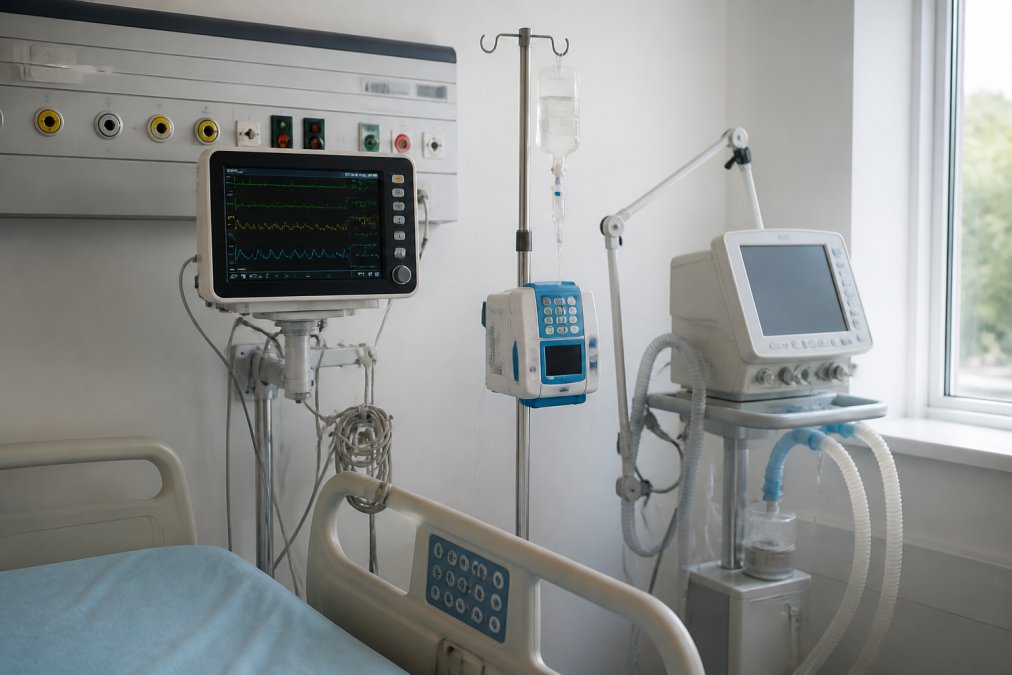
The risk assessment process requires identifying all Class III devices and life-sustaining equipment in areas where magnetic walls will be installed. For each device, obtain immunity specifications from manufacturer documentation. Compare the anticipated magnetic field strength at the device location (accounting for distance and any intervening shielding) against the device's immunity threshold. If the field strength remains below the immunity level with an appropriate safety margin, installation can proceed with confidence.
Practical protocols to prevent magnetic interference
Implementing magnetic wall installations in healthcare settings requires a structured approach that combines technical assessment, physical separation, and ongoing monitoring.
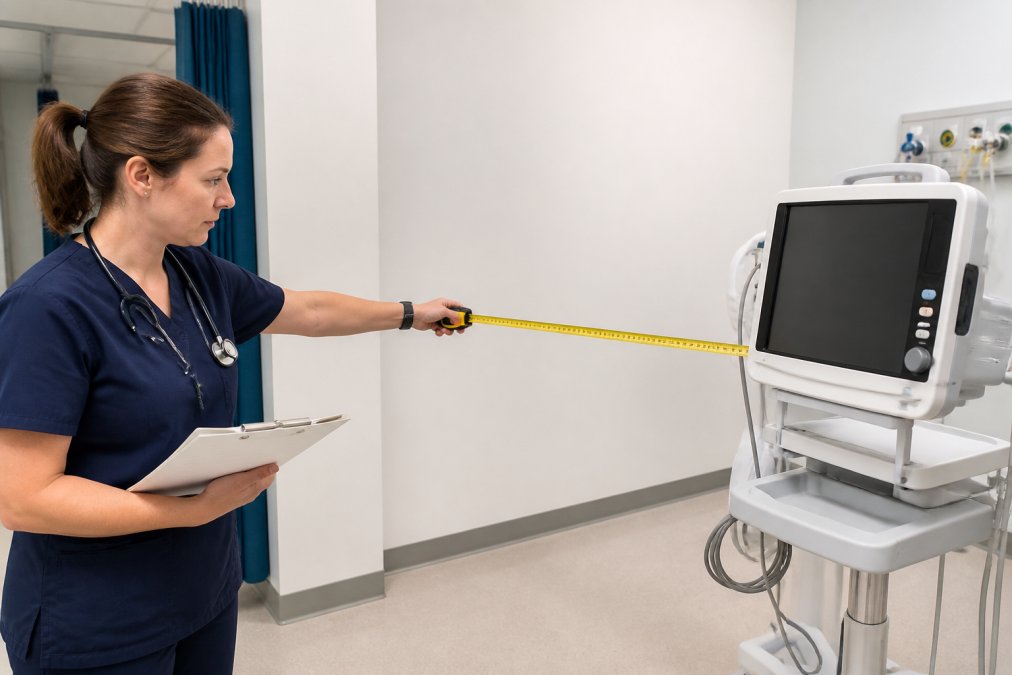
The first step involves conducting a site survey to identify all sensitive medical equipment within a 2-metre radius of the proposed installation. Document the equipment type, model, and operational location. For each device, obtain the manufacturer's electromagnetic compatibility data and immunity specifications. This information typically appears in the device manual or technical specifications document.
Next, measure the anticipated magnetic field strength at sensitive device locations using a calibrated gaussmeter or tesla meter. Most magnetic wallcovering manufacturers provide field strength data at standard distances (e.g., 5 cm, 10 cm, 30 cm from the surface). Use these data to extrapolate field intensity at your specific device locations. If measurements show field strength exceeding device immunity thresholds, increase the separation distance or consider alternative wall locations.
Implement physical barriers where appropriate. Metal conduits, cable trays, and grounded enclosures provide additional shielding. Positioning equipment at least 50 centimetres from the magnetic wall surface provides substantial margin for most clinical devices. For particularly sensitive equipment or high-field installations, greater distances may be necessary.
Document all risk assessments and mitigation measures. This documentation serves multiple purposes: it demonstrates compliance with MHRA requirements, provides evidence of due diligence, and creates a reference for future facility modifications. Include photographs of equipment locations, measurements, and any physical barriers implemented.
Establish a communication protocol for clinical staff. Ensure that staff using the magnetic wall installation understand which devices require distance maintenance and why. For patient-facing areas, consider signage indicating safe distances for individuals with implanted devices. This simple measure addresses both safety and patient confidence.
Conduct periodic re-assessment. As equipment is added, replaced, or relocated, the electromagnetic environment changes. Establish a process for evaluating new equipment against existing magnetic wall installations. This ongoing vigilance prevents inadvertent creation of interference conditions as the facility evolves.
Magnetic walls in home care and residential settings
Home environments present a different risk profile than clinical facilities. Residential patients typically have fewer simultaneous medical devices, and the electromagnetic environment is generally less complex. However, patients with implanted devices or those dependent on home medical equipment require careful consideration before magnetic wall installation.
The primary concern in home settings involves implanted pacemakers and ICDs. Patients living with these devices should maintain at least 15-30 centimetres distance from magnetic wall surfaces. In practice, this means avoiding direct contact with the wall and positioning beds, chairs, and regular activity areas at safe distances.
Home-care equipment, portable oxygen concentrators, non-invasive ventilators, dialysis machines, and infusion pumps, operates under similar principles to clinical equipment. Most modern home medical devices incorporate reasonable electromagnetic shielding, but proximity to strong magnetic fields should still be minimised. Positioning equipment at least 30 centimetres from magnetic walls provides a practical safety margin for most scenarios.
Residential applications of magnetic wallcoverings, such as those offered by MagScapes, are increasingly popular in home offices, kitchens, and living spaces. These applications rarely create interference problems because residential environments typically contain fewer sensitive medical devices. However, homeowners with family members using implanted devices or home medical equipment should assess their specific situation before installation.
The psychological and practical benefits of magnetic walls in home environments are substantial. Interactive wall surfaces support organisation, communication, and creative expression. These benefits can be realised safely through thoughtful placement and distance maintenance. Discussing installation plans with healthcare providers for family members with implanted devices ensures informed decision-making.
Conclusion
Magnetic walls and medical equipment can coexist safely when proper assessment and distance protocols are implemented. The risk of electromagnetic interference is real but manageable through understanding field mechanics, device immunity levels, and practical separation measures. Healthcare facilities considering magnetic wall installations, whether for collaborative spaces, patient communication, or staff efficiency, must conduct electromagnetic compatibility assessments and document their risk management process in accordance with MHRA requirements.
For most applications, maintaining 30-50 centimetres separation between magnetic walls and sensitive medical devices eliminates meaningful interference risk. Modern magnetic wallcoverings integrate this safety principle into their specification and installation guidance. By combining technical knowledge with practical protocols, facilities can transform static walls into dynamic, interactive spaces whilst maintaining the clinical safety standards that patient care demands.
| Device Type | Typical Immunity Level | Recommended Minimum Distance | Risk Level |
|---|---|---|---|
| Cardiac monitors | Low (sensitive to micro-currents) | 50 cm | High |
| Pacemakers/ICDs | Moderate (15-30 cm threshold) | 30 cm | Moderate |
| Ventilators | Moderate-High | 30 cm | Low-Moderate |
| Infusion pumps | Moderate-High | 30 cm | Low-Moderate |
| Patient monitoring systems | Low-Moderate | 40 cm | Moderate |
Frequently Asked Questions
Can magnetic walls cause interference with pacemakers and implanted defibrillators?
Magnetic fields can potentially interfere with implanted cardiac devices if the field strength and proximity are sufficient. The risk depends on the device type, shielding design, and distance from the magnetic source. Modern pacemakers and ICDs include shielding, but maintaining safe distance remains the primary control measure. Consult device documentation and MHRA guidance for specific safe distance requirements before installing magnetic walls in areas where patients with implants receive care.
Are patient monitoring systems affected by magnetic walls?
Patient monitoring systems, including cardiac monitors, pulse oximetry sensors, and bio-electronic measurement devices, rely on detecting micro-currents and weak signals. Strong magnetic fields can cause signal coupling and interference, potentially degrading sensor sensitivity or producing false readings. Risk increases when monitoring equipment is positioned close to high-strength magnetic sources. Proper installation planning, distance maintenance, and equipment placement away from magnetic walls minimise this risk.
What is the safe distance to maintain between pacemakers and magnetic walls?
Safe distance depends on magnetic field strength and device specifications. General guidance suggests maintaining at least 15-30 centimetres from permanent magnets and further distances from electromagnets, but this varies by device. Patients with implanted pacemakers should carry device identification cards specifying their device's immunity levels and safe operating distances. Always consult the device manufacturer's guidance and MHRA recommendations for your specific installation and patient population before proceeding.
The decision to install magnetic wall solutions in healthcare or home environments should be informed by a thorough understanding of your specific equipment and environment. MagScapes provides detailed compatibility guidance and works with facilities to ensure installations enhance communication and efficiency without compromising device safety. Contact MagScapes to discuss your specific application and receive a customised risk assessment for your space.
This article was written using GrandRanker